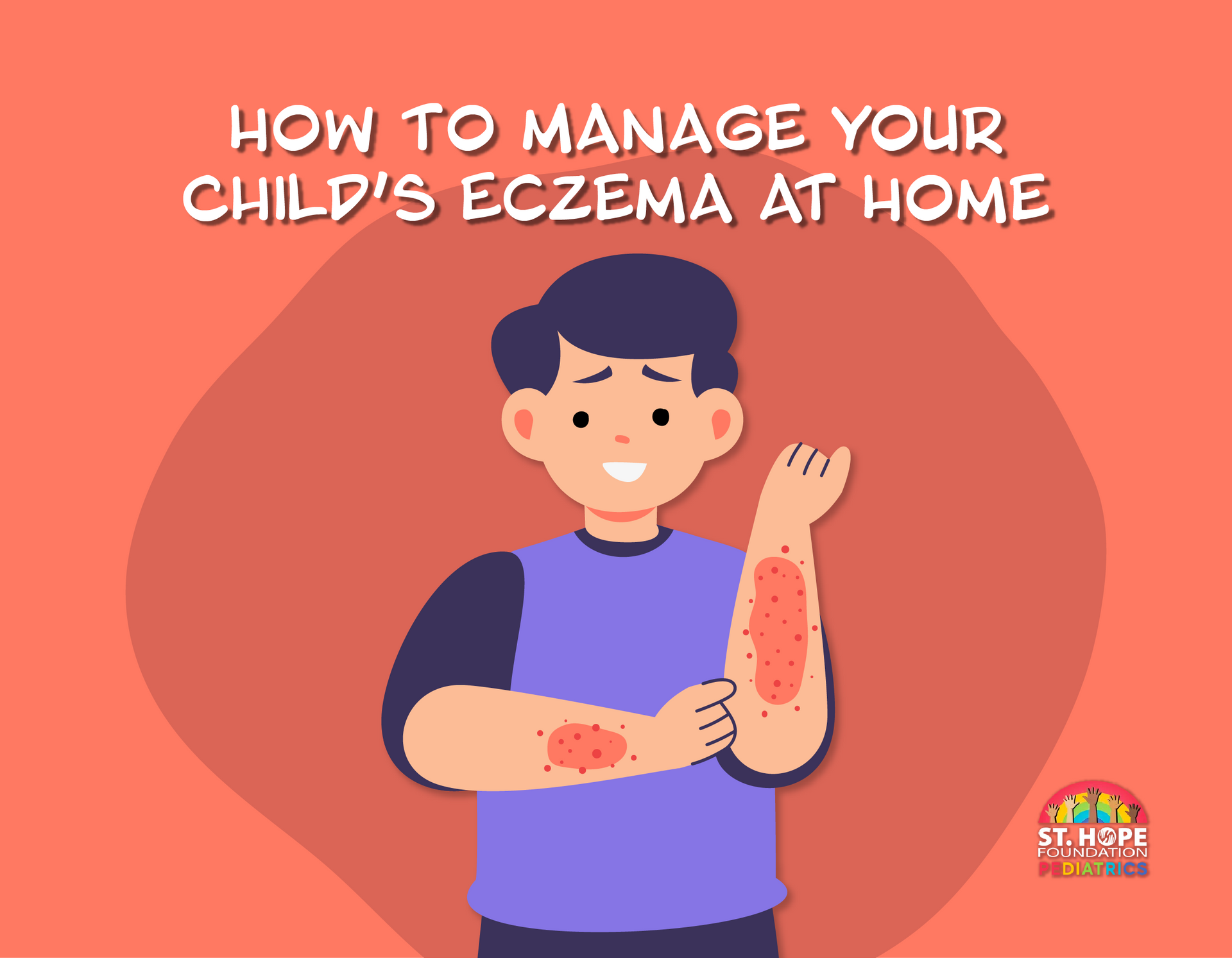
Eczema, also called atopic dermatitis, is one of the most common skin conditions in children. It often starts in infancy or early childhood and can cause dry, itchy, red patches that flare up without warning. While eczema is not contagious, it can be uncomfortable and sometimes distressing for both children and parents.
The good news is that with consistent home care, most cases of childhood eczema can be managed effectively. However, there are times when professional medical help is needed to prevent complications and ensure your child’s comfort.
Understanding Childhood Eczema
Eczema is a chronic condition caused by an overactive immune response and a weakened skin barrier. Triggers vary but often include:
- Dry air or sudden weather changes
- Irritants such as soaps, detergents or fragrances
- Allergens like dust mites or pollen
- Certain foods
- Stress or fatigue
While children often outgrow eczema, flare-ups can continue into adolescence and adulthood. Recognizing triggers and practicing daily skin care are essential for managing the condition.
Home Care Tips for Managing Eczema
1. Moisturize Regularly
Moisturizing is the cornerstone of eczema care. Apply fragrance-free creams or ointments at least twice a day, especially after bathing. Ointments and thick creams (like petroleum jelly or ceramide-based moisturizers) work better than lotions because they create a stronger barrier against moisture loss.
2. Keep Bath Time Short and Gentle
Bathing helps hydrate the skin, but long, hot baths can strip away natural oils. Use lukewarm water and keep baths under 10 minutes. Avoid bubble baths and use mild, fragrance-free cleansers. Pat the skin dry with a soft towel and apply moisturizer immediately afterward.
3. Dress Your Child in Soft Fabrics
Rough or tight clothing can irritate sensitive skin. Choose soft cotton fabrics and avoid wool or synthetic materials that may cause itching. Wash clothes with fragrance-free, hypoallergenic detergents and skip fabric softeners.
4. Maintain a Cool, Humid Environment
Dry air can trigger flare-ups, especially in winter. Use a humidifier in your child’s room to add moisture to the air. Keep the temperature moderate, as overheating can lead to sweating, which often worsens eczema.
5. Manage Itching Without Scratching
Itching is one of the hardest parts of eczema, and scratching can break the skin, leading to infection. Trim your child’s fingernails short and consider cotton mittens or gloves at night for younger children. Applying cool compresses or soothing moisturizers can also help relieve itching.
6. Identify and Avoid Triggers
Keeping a journal of flare-ups can help you spot patterns. Common triggers include certain foods (like dairy or eggs), harsh soaps, environmental allergens or even emotional stress. Once identified, try to minimize your child’s exposure.
7. Use Over-the-Counter Remedies Wisely
Mild hydrocortisone creams can reduce inflammation during flare-ups, but they should be used sparingly and according to package directions. Always consult your pediatrician before using stronger steroid creams or combining multiple treatments.
When to Seek Professional Help
While many cases of eczema can be managed at home, sometimes medical care is necessary. Contact your child’s pediatrician if you notice:
- Severe itching that prevents sleep or daily activities
- Persistent or worsening rashes despite consistent home care
- Signs of infection such as oozing, yellow crusts, pus or fever
- Thickened or darkened skin patches that don’t improve
- Concerns about allergies or dietary triggers that may be contributing to flare-ups
Your pediatrician may recommend prescription creams, stronger anti-inflammatory medications or referral to a dermatologist or allergist for further evaluation.
Helping Your Child Cope Emotionally
Eczema isn’t just a physical condition. It can affect a child’s self-esteem and confidence, especially if visible patches appear on the face, arms or hands. Offer reassurance, and remind your child that eczema is common and manageable. Be sure they understand that applying anti-itch creams or lotions quickly and consistently helps prevent the visible flare-ups they may feel self-conscious about.
Partner With Experienced Pediatric Professionals in Houston to Give Your Child Long-Term Eczema Relief
Managing eczema requires patience and teamwork. Parents, children and healthcare providers all play a role in minimizing flare-ups and improving quality of life.
Our compassionate team at St. Hope Pediatrics works with families to create personalized care plans, address triggers and provide safe treatment options that ease your child’s discomfort.
Call us at (713) 778-1300 today to schedule an appointment and give your child the relief they deserve.
Latest News from St. Hope