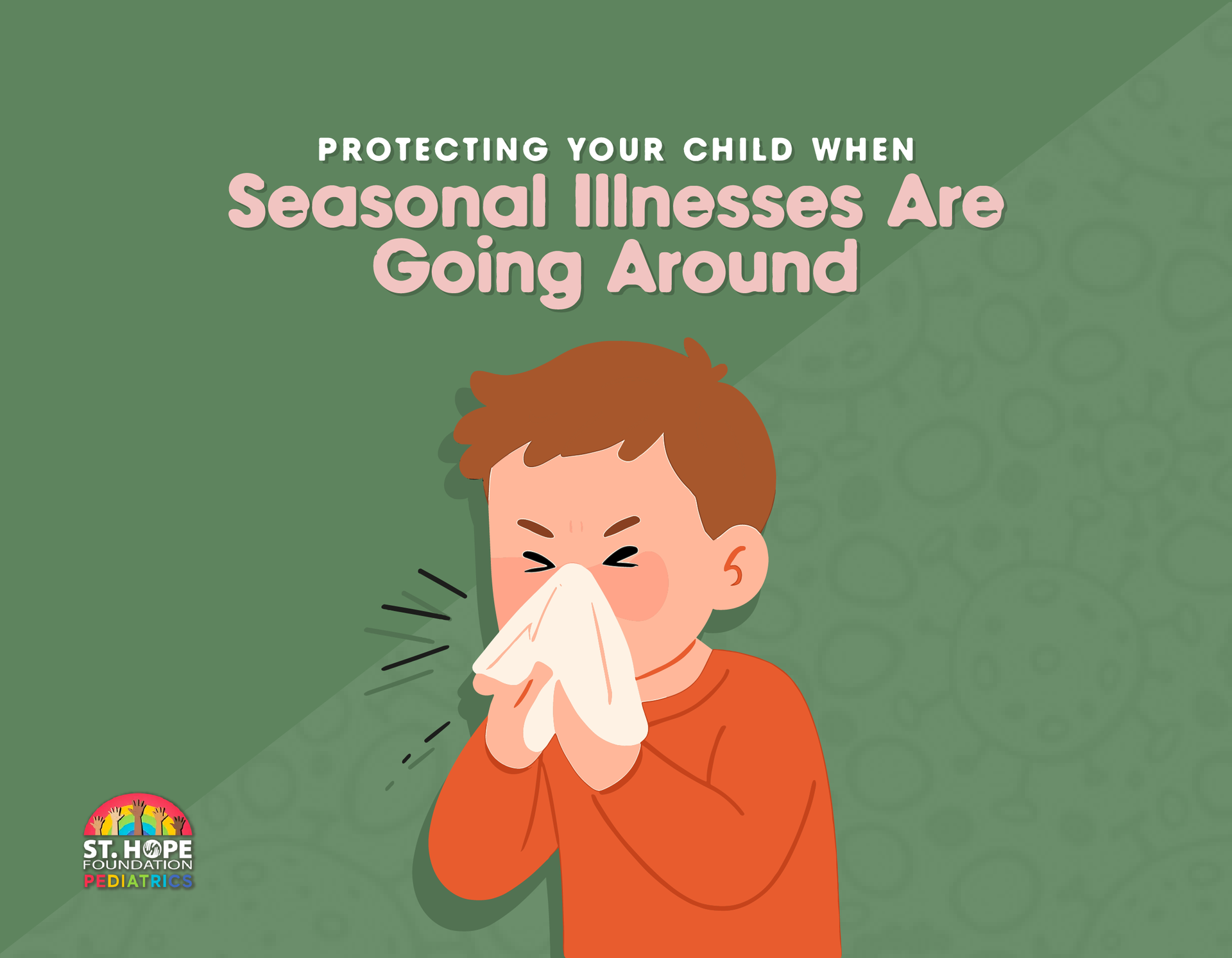
Seasonal illnesses are a normal part of childhood, especially during times of year when children spend more time indoors, share close spaces at school or daycare and encounter new germs. While it is not possible or necessary to prevent every illness, there are practical steps parents can take to reduce risk, support immune health and respond confidently when symptoms appear.
Protecting your child during cold, flu and other seasonal illness cycles is less about avoiding exposure entirely and more about building consistent habits that support overall health.
Why Illnesses Spread Seasonally
Seasonal illnesses tend to spread more easily when children are in close contact with one another. Classrooms, playgrounds, sports teams and childcare settings all create opportunities for germs to move quickly from one child to another.
Weather also plays a role. Cooler temperatures often mean windows stay closed, indoor air circulates longer and surfaces are shared more frequently. These factors make routine prevention strategies especially important during periods when respiratory illnesses are most common.
Prioritizing Hand Hygiene Without Creating Anxiety
One of the simplest and most effective ways to reduce illness spread is proper handwashing. Teaching children to wash their hands regularly, especially before eating, after using the restroom and after coming home from school, can significantly lower exposure to germs.
It helps to frame handwashing as a normal daily habit rather than something done out of fear. Making it part of established routines encourages consistency without stress.
For younger children, gentle reminders and modeling behavior are often more effective than strict rules.
Supporting a Strong Immune System Through Daily Habits
A child’s immune system benefits from consistency. Regular sleep, balanced meals, hydration and physical activity all play a role in how well the body responds to illness exposure.
Adequate sleep is especially important. Children who are overtired may be more susceptible to getting sick and may take longer to recover. Maintaining consistent bedtime routines during busy seasons helps support immune function.
Nutrition also matters. Meals that include a variety of fruits, vegetables, proteins and whole foods help provide the nutrients the immune system relies on.
Teaching Kids to Recognize and Respect Their Bodies
Helping children describe how they feel gives parents useful information to make informed decisions. While not every complaint signals illness, open communication allows patterns or persistent symptoms to be addressed early.
Encouraging rest when early symptoms appear can sometimes prevent illnesses from becoming more severe. It also helps children learn that listening to their bodies is part of staying healthy.
This approach fosters awareness without creating fear around getting sick.
Keeping Shared Spaces Clean and Manageable
At home, simple cleaning habits can help reduce the spread of germs. Frequently touched surfaces such as door handles, light switches, toys and electronics benefit from regular cleaning during illness-heavy seasons.
This does not require constant disinfecting. Routine cleaning focused on high-touch areas is usually sufficient and easier to maintain long-term.
For personal items that travel between home and school, such as water bottles, lunch containers and backpacks, regular washing or disinfecting helps reduce the transfer of germs between environments.
Knowing When to Keep Your Child Home
One of the hardest decisions parents face is knowing when a child should stay home. While mild symptoms can often be monitored, children with fever, significant fatigue, vomiting or symptoms that interfere with participation typically benefit from rest at home.
Keeping a child home when they are clearly unwell helps them recover and reduces spread to others. It also models responsible health habits and reinforces that rest is part of wellness.
When in doubt, a healthcare provider can help guide that decision.
Avoiding Overreaction While Staying Prepared
Seasonal illness does not automatically mean something serious is wrong. Most childhood illnesses are mild and resolve with supportive care.
Being prepared means having basic supplies on hand, understanding common symptoms and knowing when to seek guidance.
It does not mean assuming the worst or treating every symptom as an emergency.
Balanced information helps parents respond calmly and appropriately.
Building a Relationship With a Trusted Healthcare Provider
Having access to reliable healthcare support gives parents peace of mind during illness seasons. A provider who knows your child’s history can offer guidance, reassurance and timely care when needed.
Regular check-ins and preventive care also help catch issues early and support long-term health.
Supporting Your Child Through Each Season
Seasonal illnesses are part of growing up, but they do not have to take over family life. With consistent habits, open communication and trusted medical support, parents can navigate illness seasons with confidence.
Protecting your child is about creating an environment that supports health every day, not eliminating every germ.
Providing Fast, Dependable Treatment for Common Seasonal Illnesses in Houston
When questions arise or your child needs treatment for a seasonal cold or flu, having a trusted pediatric partner nearby makes all the difference.
St. Hope Pediatrics offers compassionate, family-focused care to support your child’s health through every season. Contact us at (713) 778-1300 to schedule a sick-child visit and get seen quickly by a pediatric care team in Houston or Sugar Land.
Latest News from St. Hope