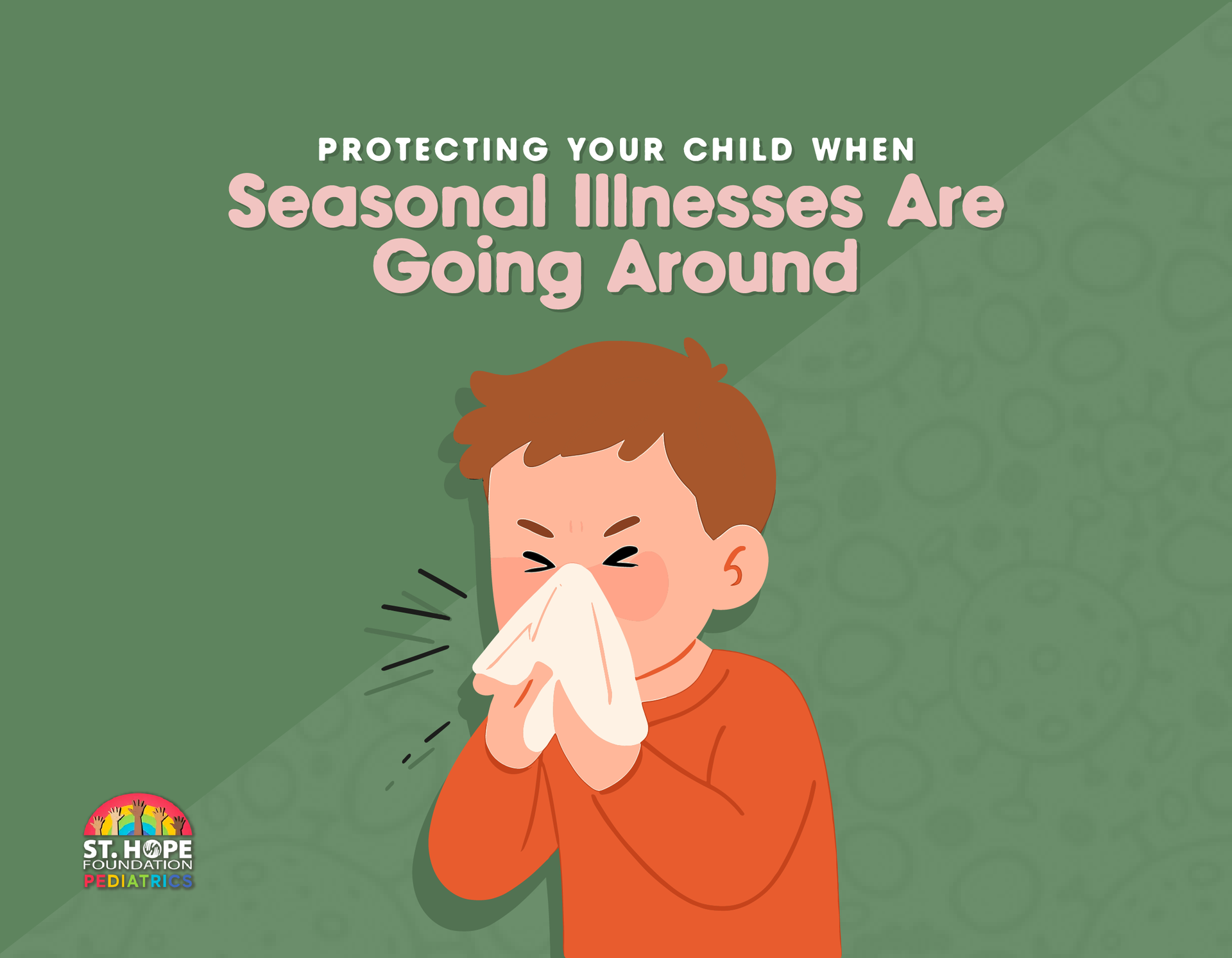
In Houston, where pollen, mold and other allergens are common for much of the year, allergies are frequently mistaken for colds.
Although at-home care is often best for both conditions, there are still some ways a pediatrician can help. Most importantly, a pediatrician can confirm your child’s symptoms are not being caused by something more serious or treatable with antibiotics. They may also be able to prescribe medications or make recommendations on how to make your child more comfortable while they recover.
Why Allergies and Colds Look So Similar in Children
Colds and allergies both affect the upper respiratory system, which is why many of the symptoms overlap. Both conditions can cause:
- Runny nose
- Nasal congestion
- Sneezing
- Cough
- Sore throat from post-nasal drip
- Trouble sleeping due to congestion
Because the symptoms are so similar, the main way to tell the difference is usually the type of symptoms your child has and how long they last.
Common Cold Symptoms in Children
Colds are caused by viruses and are very common in children, especially during the school year. Cold symptoms usually appear gradually and may include:
- Thick yellow or green nasal mucus
- Fever
- Body aches
- Fatigue or low energy
- Sore throat
- Cough
- Mild headache
- Decreased appetite
Body aches and fever are two dependable indicators that your child’s condition is not just seasonal allergies. Cold symptoms often get worse for a few days and then gradually improve. Most colds last about 5 to 10 days, although a cough may last a little longer. Allergies can last much longer depending on the allergen and the season.
Cold Treatment for Kids
- Rest
- Fluids
- Fever reducers
- Humidifier
- Saline nasal spray
Common Allergy Symptoms in Children
Allergies are caused by the immune system reacting to things like pollen, mold, dust or pet dander. Allergy symptoms often appear quickly and may continue as long as the child is exposed to the allergen. Common allergy symptoms include:
- Clear runny nose
- Frequent sneezing
- Itchy or watery eyes
- Itchy nose or throat
- Nasal congestion
- Post-nasal drip
- Dark circles under the eyes
- Symptoms that come and go seasonally or after outdoor exposure
Itchiness and duration are often considered the two best indicators that a child is suffering from allergies and not a cold. Although there can be overlap in those symptoms, the common cold does not cause itchiness and should not last for weeks or months.
Allergy Treatment for Kids
- Antihistamines
- Nasal sprays
- Avoiding allergy triggers
If your child is experiencing prolonged or severe allergy symptoms, it may be a good idea to schedule allergy testing or consult with your pediatrician about long-term allergy management options.
When to Take Your Child to the Pediatrician
You should consider scheduling a pediatric visit if your child has:
- Fever lasting more than a few days
- Symptoms lasting longer than 10 to 14 days
- Trouble breathing or wheezing
- Ear pain
- Severe cough
- Symptoms that interfere with sleep or school
- Possible seasonal allergies that may need medication
A pediatrician can help determine whether your child has a cold, allergies or another condition and recommend appropriate treatment.
Allergy Medications That Are Safe for Children
If your child has seasonal allergies, a pediatrician may recommend allergy medications to help manage symptoms. Common options include:
- Children’s antihistamines such as cetirizine (Zyrtec), loratadine (Claritin) or fexofenadine (Allegra)
- Saline nasal sprays to help clear nasal passages
- Steroid nasal sprays such as fluticasone that reduce inflammation and congestion
- Avoiding allergy triggers when possible
Parents should always check age recommendations on medications and follow dosage guidelines when administering allergy medications. It’s often a good idea to talk with your child’s pediatrician before starting new medications, especially for younger children.
A Pediatrician Can Help Identify the Cause of Your Child’s Symptoms in Houston
If you are not sure whether your child has a cold or allergies, a St. Hope Healthcare pediatrician can evaluate their symptoms, review their medical history and help determine the cause.
Visit our Greenspoint Health Center or Sugar Land Health Center during our pediatric hours, or call (713) 778-1300 to request an appointment or more information.
Latest News from St. Hope