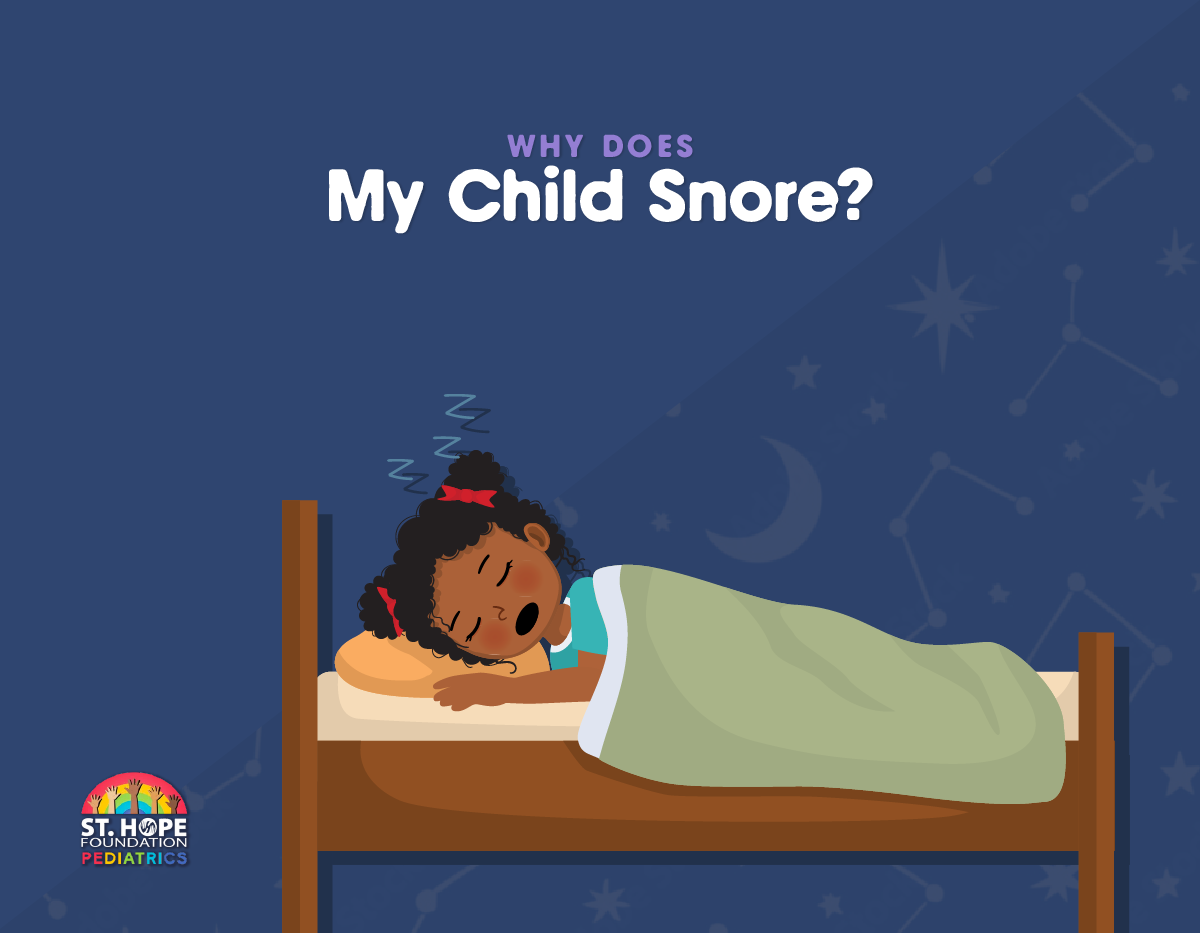
Hearing snoring from a child can be surprising. While occasional snoring during a cold is usually harmless, frequent or loud snoring in children can sometimes signal an underlying issue that may need medical attention.
Identifying the cause of snoring in children can help parents determine whether it is a temporary side effect of an illness or when it may be time to talk with a pediatrician.
Occasional Snoring vs. Habitual Snoring
It is normal for children to snore occasionally. Congestion from a cold or seasonal allergies can temporarily narrow the airway, creating the vibration that produces snoring.
However, habitual snoring, defined as snoring three or more nights per week, may indicate a problem affecting breathing during sleep. When snoring becomes frequent, loud, or is accompanied by other symptoms, it is worth discussing with your child’s pediatrician.
Several common conditions can contribute to snoring in children.
Enlarged Tonsils and Adenoids
One of the most common reasons children snore is enlarged tonsils or adenoids.
Tonsils and adenoids are lymphatic tissues located in the throat and behind the nasal passages. They help the body fight infections, but they can become enlarged in some children. When this happens, they can partially block the airway during sleep.
Signs that enlarged tonsils or adenoids may be causing snoring include:
- Loud snoring most nights
- Mouth breathing during sleep
- Restless sleep or frequent movement
- Pauses in breathing
- Difficulty waking in the morning
- Daytime irritability or tiredness
Enlarged tissues can obstruct airflow more easily at night because the airway naturally relaxes during sleep. A pediatrician may recommend evaluation by an ear, nose and throat specialist to determine whether treatment such as a tonsillectomy or adenoidectomy is necessary.
Pediatric Sleep Apnea
Snoring can sometimes be a sign of obstructive sleep apnea (OSA), a condition where breathing repeatedly stops and starts during sleep due to airway blockage.
Sleep apnea is more than just noisy breathing. When airflow is interrupted, oxygen levels may briefly drop and the brain partially wakes the child to resume breathing. These repeated disruptions can affect sleep quality and overall health.
Possible signs of sleep apnea include:
- Loud snoring most nights
- Gasping, choking, or pauses in breathing during sleep
- Restless sleep
- Bedwetting
- Morning headaches
- Daytime behavioral issues
- Trouble concentrating at school
- Excessive daytime sleepiness
Sleep apnea can affect growth, learning and behavior if left untreated. When a pediatrician suspects sleep apnea, they may refer the child for a sleep study to monitor breathing and oxygen levels overnight.
Treatment depends on the cause and may include tonsil and adenoid removal, allergy management or other airway interventions.
Allergies and Nasal Congestion
Another common cause of snoring in children is chronic nasal congestion from allergies.
Allergic inflammation can swell the tissues inside the nose, making it harder for air to flow freely. As a result, children may begin breathing through their mouths during sleep, which can lead to snoring.
Signs allergies may be contributing to snoring include:
- Frequent nasal congestion
- Runny or itchy nose
- Sneezing
- Dark circles under the eyes
- Mouth breathing
- Seasonal or environmental triggers
Managing allergies may reduce snoring significantly. Treatment options may include antihistamines, nasal sprays, air filtration and avoiding triggers such as dust, pet dander or pollen.
A pediatric provider can help determine whether allergies are playing a role and recommend appropriate treatment.
Other Factors That Can Contribute to Snoring
Although enlarged tonsils and allergies are the most common causes, several other factors may contribute to snoring in children. These include:
- Upper respiratory infections
- Deviated nasal septum
- Obesity
- Exposure to secondhand smoke
- Certain craniofacial structures that narrow the airway
Snoring that appears suddenly during an illness often resolves once the child recovers. Persistent snoring, however, should be evaluated to rule out more significant airway concerns.
When Should Parents Seek Medical Advice?
Parents should consider discussing snoring with their child’s pediatrician if:
- Snoring occurs most nights
- Snoring is loud or disruptive
- Your child pauses breathing or gasps during sleep
- Sleep seems restless or frequently interrupted
- Your child has daytime fatigue or behavioral changes
- There is persistent mouth breathing
A pediatrician can evaluate symptoms, examine the throat and nasal passages and determine whether further testing or referral to a specialist is appropriate.
Early evaluation helps ensure children receive the care they need to sleep comfortably and maintain healthy development.
Houston Pediatricians Committed to Helping Your Child Sleep Better
If your child snores regularly or shows signs of disrupted sleep, the team at St. Hope Healthcare Pediatrics can help determine whether further evaluation or a specialist referral may be needed.
Contact St. Hope Healthcare Pediatrics today at (713) 778-1300 to schedule an appointment.
Latest News from St. Hope